
Thinking about a surgical abortion can bring up a lot of questions. What actually happens? Will it hurt? Is it safe? How long does it take?
If you’re facing this decision, it’s normal to feel unsure or even scared. But surgical abortion is one of the safest and most common medical procedures performed today. At Marie Stopes South Africa, thousands of people choose this option every year, and our licensed professionals are trained to guide you through it with care, privacy, and respect.
This guide walks you through exactly what to expect, step by step. Our goal is simple: to help you understand the process so you can feel calm, informed, and in control of your own healthcare decisions.
What Is a Surgical Abortion?
A surgical abortion is a medical procedure that ends a pregnancy by gently removing the pregnancy tissue from the uterus (womb). It’s performed by qualified healthcare professionals in a clinical setting, and it’s completed on the same day – you won’t need to stay overnight.
Surgical abortion is available from 6 weeks up to 20 weeks of pregnancy. It’s a good option if:
- You are past 9 weeks of pregnancy, which is when Marie Stopes no longer offers the abortion pill (medical abortion) as an option – surgical abortion is available up to 20 weeks, giving you a safe route forward even later in pregnancy
- You prefer a same-day, one-visit procedure, with the peace of mind of knowing that once it’s done, you are no longer pregnant
- You’ve already tried a medical abortion, and it wasn’t successful
- You simply feel more comfortable with a surgical option
There’s no “right” choice between medical and surgical abortion. Both are safe, legal, and effective. It comes down to what suits your body, your timeline, and your personal preference.
Why Is It Called “Surgical” If There’s No Cutting?
This is one of the most common misunderstandings, so it’s worth clearing up: despite the name, a surgical abortion does not involve any cutting, incisions, or stitches.
The term “surgical” is simply used to tell this method apart from a “medical” abortion (the abortion pill). Medical abortion uses medication to end a pregnancy. Surgical abortion instead uses a gentle, instrument-based procedure – carried out entirely through the vagina and cervix, which are natural openings in the body. A thin tube is guided through the cervix into the uterus, and gentle suction is used to remove the pregnancy tissue. That’s it – there’s no cutting into the body anywhere.
While “surgical” makes it sound more invasive than it is, the reality is a short, minimally invasive procedure performed with specialised medical instruments.
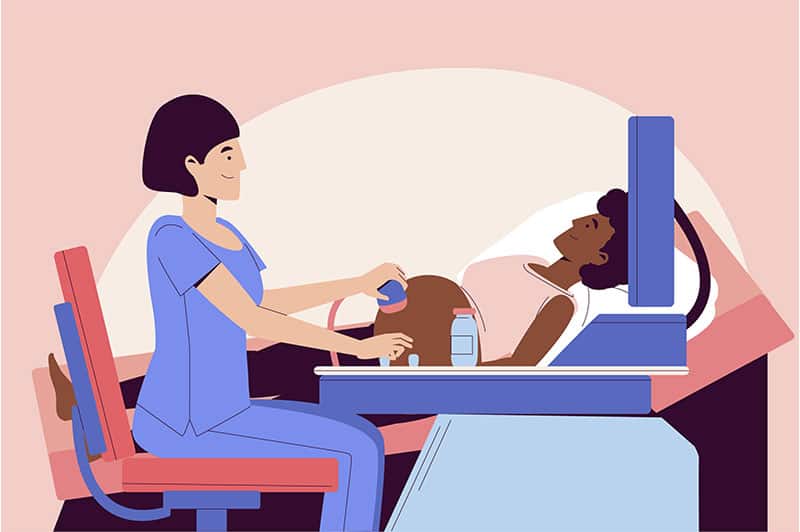
What Happens During an Abortion Procedure? (Step-by-Step)
Here’s a clear breakdown of the process from start to finish.
Step 1: Your Consultation
Before anything else, you’ll have a private consultation with a healthcare provider. This is your chance to ask questions and share any concerns. The provider will:
- Confirm how far along your pregnancy is (this may include a scan)
- Explain the procedure, what to expect, and any risks involved
- Talk you through pain relief options
- Talk to you about contraception going forward, if you’d like to – this is entirely optional and only happens if you want it, there’s no pressure either way. If you’d like an IUD, this can be fitted at the end of the procedure itself
- Make sure you feel informed and ready to go ahead
Nothing happens without your full understanding and consent. This is your decision, and you’re in control every step of the way.
Step 2: Choosing Your Comfort Option
You have a choice in how you manage discomfort during the procedure:
- Conscious sedation – a medication that helps you feel relaxed and drowsy throughout the procedure, so you’re much less aware of what’s happening
- Local numbing injection – an injection that numbs the area and provides pain relief while you stay fully awake
Your healthcare provider will help you decide which option is right for you based on your health and personal comfort.
Step 3: The Procedure
The surgical abortion itself is quick – most procedures are completed within about 5 to 10 minutes, although you’ll be at the clinic longer for preparation and recovery. During the procedure, a trained professional gently and carefully removes the pregnancy tissue from the uterus, working through the cervix using specialised medical instruments – there’s no cutting or incision involved anywhere on the body.
Because it’s performed by licensed, experienced staff in a proper clinical setting, it’s a controlled and safe process from start to finish.
Step 4: Recovery at the Clinic
After the procedure, you’ll rest at the clinic for a short observation period. Staff will check that you’re feeling well, monitor for any signs of complications, and make sure you’re comfortable before you go home. This is also the time to ask any last questions.
Step 5: Going Home and Aftercare
You then go home the same day and resume your normal daily activities the next day. Before you leave, you’ll receive:
- An aftercare booklet with clear guidance on what to expect
- Advice on managing any mild cramping or bleeding, which is normal for a short period afterwards
- Information on warning signs that would mean you should contact the clinic (such as heavy bleeding, fever, or severe pain)

Is a Surgical Abortion Procedure Safe?
Yes. Surgical abortion is a well-established, safe medical procedure when performed by trained professionals in a proper clinical environment – exactly how it’s done at Marie Stopes. As with any medical procedure, there are some risks, such as infection, bleeding, or an allergic reaction to medication. These are uncommon, and your care team takes every precaution to reduce them, from screening you beforehand to monitoring you closely afterwards.
What Does a Surgical Abortion Cost in South Africa?
This is one of the biggest concerns people have, and it’s an important one to clear up.
In South Africa, surgical abortion is classified as a Prescribed Minimum Benefit (PMB). This means that, by law, all medical aid schemes are required to cover the cost – so if you’re on medical aid, you shouldn’t have to pay out of pocket. It’s still a good idea to confirm your specific benefits directly with your medical aid scheme before your appointment, just so there are no surprises.
If you don’t have medical aid, Marie Stopes offers a same-day surgical abortion service with pricing that depends on how far along the pregnancy is, whether you choose conscious sedation, and which centre you visit, since pricing differs slightly from centre to centre. To see accurate, up-to-date pricing for your nearest centre, simply WhatsApp us directly or download the full price list from our website.
Wherever you go, the price includes everything you need:
- Your initial consultation
- A scan
- The procedure itself
- Pain medication
- Certain contraception options, if you choose to start one
- An aftercare booklet
- Aftercare support
- A safe, effective procedure – with follow-up care if needed
There are no hidden extras – what you’re quoted is what you pay.
Addressing the Fear and Stigma
It’s completely understandable to feel nervous. Abortion is still surrounded by a lot of stigma, silence, and misinformation, which can make an already personal decision feel even more overwhelming. But here’s the truth: surgical abortion is a routine, safe, and legal medical procedure. You are not alone, and there is nothing to be ashamed of in making the choice that’s right for you and your life.
Every year, thousands of people walk into a clinic feeling anxious and walk out feeling relieved that the uncertainty is behind them. Having a clear, factual understanding of what to expect – like the steps outlined above – often makes the biggest difference in easing that fear.
Getting Support
If you’re considering a surgical abortion, you don’t have to figure it all out on your own. Marie Stopes South Africa has clinics across the country, staffed by licensed professionals who are trained to treat you with dignity, privacy, and compassion – no judgement, ever.
Whether you have questions about the procedure, your options, cost, or what to expect afterwards, reaching out for information is a good first step – or browse our FAQs for quick answers. Getting the facts can help turn a scary unknown into a manageable, straightforward process.
Ready to Take the Next Step?
You don’t have to have it all figured out to reach out. Our team is here to answer your questions, walk you through your options, and support you – with complete confidentiality and no judgement.
- Book an appointment at your nearest centre via our website
- Chat to us on WhatsApp for quick, private answers: Message us here
- Call us to speak to someone directly: 0800 11 77 85
This article is for general educational purposes and does not replace individual medical advice. Speak to a Marie Stopes healthcare provider to discuss your specific situation.