

Having sex is a normal, healthy part of life. Taking care of your sexual health should feel just as normal as going to the doctor for a cold or the flu.
Yet, for many of us, the thought of booking an STI (Sexually Transmitted Infection) test brings up feelings of anxiety, shame, or fear. You might worry about being judged by clinic staff, or fear that a family member or partner will find out.
If you are feeling nervous, please remember that you are not alone, and taking charge of your health is a smart, loving choice for your body. According to research published with the NICD, over 4 million new cases of common STIs like Chlamydia and Gonorrhoea occur in South Africa every single year. It happens to people of all ages, backgrounds, and walks of life.
At Marie Stopes clinics across South Africa, there is zero judgment, no shame, and your personal details are kept strictly private.
Why Is There Still Shame Around STIs?
In many communities across South Africa, sexual health is rarely spoken about openly. Misinformation and old rumours often make people feel like getting an STI is a “punishment” or a sign of doing something wrong.
The truth is simple: an STI is just an infection, no different from a throat infection or an earache. Just as bacteria or viruses can infect your lungs or throat, they can also live in your reproductive organs. Most STIs are caused by common bacteria or viruses that are easily treated with medicine when caught early.
Delaying a check-up because of embarrassment only allows an infection to grow, which can lead to unnecessary discomfort or long-term health problems. Getting tested is not something to hide – it is a powerful act of self-care.
Common STIs Explained in Simple Terms
Understanding what different infections are can help take away the fear of the unknown. Here are a few of the most common STIs in South Africa and how easily they can be managed:
- Chlamydia: A very common bacterial infection. It often has no symptoms at all, but if left untreated, it can cause lower belly pain or make it difficult to get pregnant later. It is easily cured with a short course of antibiotics.
- Gonorrhoea: Another common bacterial infection that can cause burning when you pee or unusual discharge. Like Chlamydia, it is quickly treated with medicine prescribed by a nurse.
- Trichomoniasis: This is an infection that can cause itching, soreness, or a discharge that may smell bad. This can be cleared up completely with prescription tablets.
- Syphilis: A bacterial infection that often starts as a small, painless sore around your genitals. If caught early, a nurse can treat it easily with medication.
- HPV (Human Papillomavirus): A common virus passed via sexual contact. This type of infection may not have any symptoms, and regular PAP smears can provide information about the health of your cervix. If left untreated this can cause changes to the cells of your cervix over time.
- HIV (Human Immunodeficiency Virus): A virus passed through sexual fluids or blood that affects your immune system. While there is no cure, modern treatment (ART) allows people living with HIV to lead long, healthy lives.

The “Silent” Warning STI Signs to Watch For
Sometimes your body gives you clear warning signs that something is wrong. Other times, an infection stays completely hidden. According to the World Health Organisation (WHO), the vast majority of common STIs produce no noticeable symptoms, making routine screening essential.
That means you can feel totally healthy, look completely healthy, and still have an infection that needs attention. However, if symptoms do show up, here is what to look out for:
- Unusual discharge: Any new smell, strange colour (such as yellow or green), or heavy fluid coming from your vagina or penis.
- Pain when peeing: A burning, stinging, or uncomfortable feeling when you pass urine.
- Sores, bumps, or blisters: Small pimples, warts, or open sores around your genitals, anus, or mouth.
- Constant itching: Persistent itching, redness, or swelling down below.
- Pain during or after sex: Feeling discomfort during intercourse, or noticing unexpected bleeding afterwards.
- Lower belly pain: A dull or sharp ache in your lower abdomen or pelvic area.
Because so many STIs are invisible, relying on “feeling fine” is not enough. Getting tested regularly is the only way to be 100% sure your body is safe and healthy.
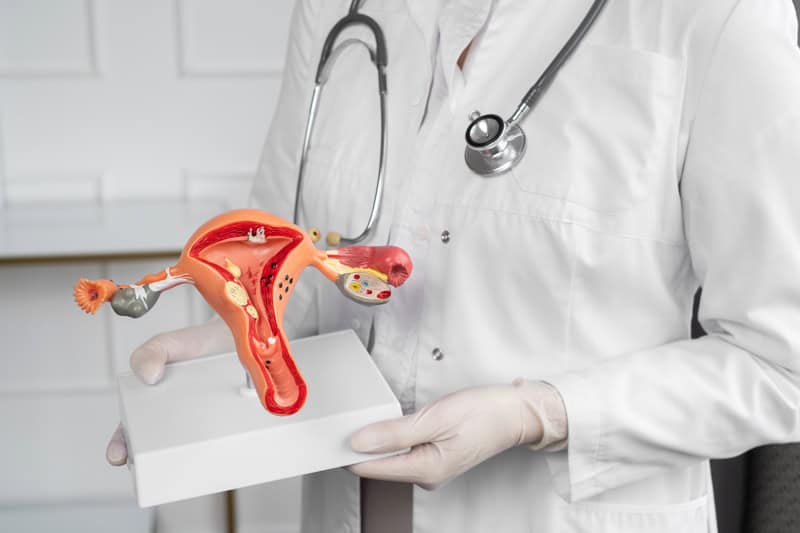
Why Combine Your STI Test with a Pap Smear & HPV Vaccine?
When you book an STI check at Marie Stopes, you do not have to stop there. You can get a complete Women’s Wellness Check during the same clinic visit.
Pairing your STI test with a Pap smear, an HPV vaccine and an HIV test gives your body complete, long-term protection against hidden infections and serious health risks.
- STI Screening (Your Immediate Protection)
A quick STI test checks for common curable infections like Chlamydia, Gonorrhoea, Syphilis, and Trichomoniasis. Catching these early stops them from causing chronic pelvic pain or complications with future pregnancies.
- A Pap Smear (Your Early Warning System)
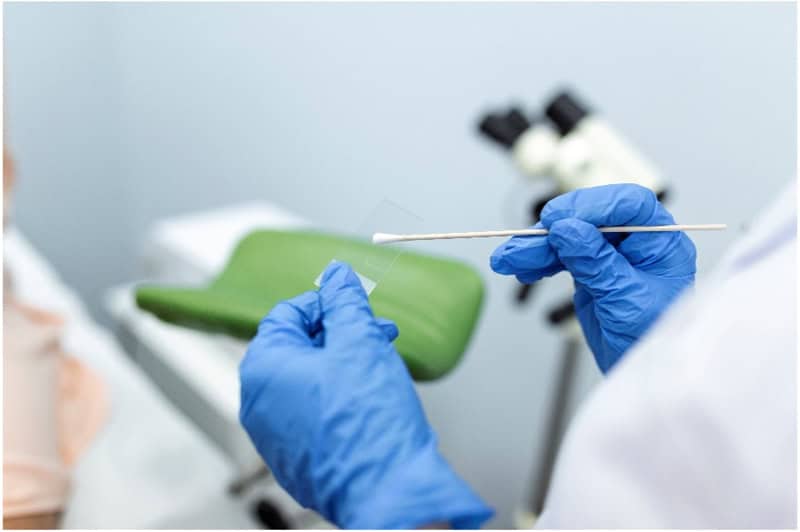
A Pap smear is a quick, gentle swab of your cervix – the opening to your womb. Rather than testing for active cancer, it checks for subtle, unusual cell changes caused by HPV, allowing your nurse to treat them long before they become dangerous.
This simple check is vital because the World Health Organisation reports that over 99% of cervical cancer cases are directly linked to persistent, high-risk HPV strains.
- Does it hurt? Most women feel only a few seconds of mild pressure. The nurse uses a small, smooth tool (a speculum) to view your cervix, takes a quick swab and the test is over quickly.
- The HPV Vaccine (Your Shield for the Future)
Cervical cancer remains one of the leading cancer risks facing South African women today (Cancer Association of South Africa) – yet it is almost entirely preventable.
While a Pap smear catches cell changes after they happen, the HPV vaccine stops the virus from causing damage in the first place. It is a simple injection that trains your immune system to block the specific virus strains responsible for most cervical cancers and genital warts. You can get vaccinated even if you are already sexually active, making it a powerful, long-term investment in your health.
- Rapid HIV Testing & Protection
A quick, painless finger-prick test gives you accurate results in just 15 minutes during your visit. Knowing your status gives you total control:
- If you are negative: You can learn about options to ensure you stay negative, protecting both yourself and your partner.
- If you are positive: Our nurses can connect you to care immediately so you can stay healthy and prevent passing the virus to partners.
The Wellness Combo: Doing an STI check, a Pap smear, an HPV vaccine, and a rapid HIV test together protects you from everyday infections and guards against cervical cancer – all in one easy appointment!
How to Prepare for Your Appointment
Preparing for your clinic visit is simple and stress-free. Here are a few quick tips to help your appointment go smoothly:
- Avoid douching or internal washing: Do not wash inside your vagina with soaps, scented washes, or douches before your visit. Plain warm water on the outside is all you need. Washing inside can wash away the samples the nurse needs to test.
- Timing with your period: You can get tested for most STIs at any time in your cycle. However, for a Pap smear, it is best to book a day when you are not on a heavy period so the lab can clearly see your cervical cells.
- Hold your pee (if needed): If you are getting a urine test for STIs, try not to use the bathroom/urinate for 1 to 2 hours before your appointment so the sample is clear.
- Write down your questions: If you feel nervous, write down any questions on your phone so you don’t forget to ask your nurse.
What Happens During Your Marie Stopes Visit?
- Private Consultation: You sit down one-on-one with a registered sexual health nurse in a private room. You can share your symptoms or concerns openly in a judgment-free space.
- Targeted Screening: Depending on your needs, your nurse will recommend a rapid blood test, a urine sample, or a gentle swab.
- Fast Answers & Same-Day Relief: Rapid tests (like HIV screening) give results in just 15 minutes. If you have active STI symptoms, your nurse can prescribe treatment right away during your appointment.
- Complete Care & Partner Support: For tests sent to off-site labs (like Pap smears), your nurse will contact you with your results. You will also receive guidance and partner treatment slips so your partner can get treated safely too.
How to Talk to Your Partner Without Panic
If your test comes back positive for an STI, it is important that your sexual partner gets tested and treated too. Otherwise, you can easily pass the infection back and forth to each other.
Sharing this news can feel scary, but keeping it simple and calm helps:
- Focus on health, not blame: Remember that many STIs show no symptoms for months or years. It is almost impossible to prove “who gave it to who.” Focus on getting both of you healthy.
- Keep it clear and direct: You can say something simple like: “I went for a routine health check and tested positive for an infection. It’s very easy to treat with medicine, but you need to get checked and treated too so we stay safe.”
- Suggest going together: You can invite your partner to visit a Marie Stopes clinic with you for a joint consultation.

Frequently Asked Questions (FAQs)
How long after sex should I wait to get tested? Some infections like Chlamydia or Gonorrhoea can show up within 1 to 2 weeks after exposure, while others like HIV or Syphilis can take a few weeks to a couple of months to show on a test. If you are worried about a recent encounter, talk to a nurse who can advise you on the right testing timeline.
Can I get tested if I don’t have medical aid? Yes! Marie Stopes clinics welcome everyone. We offer affordable cash, debit card, and medical aid options so you can get quality care regardless of your insurance status.
Will an STI go away on its own if I wait? No. While some symptoms (like itching or sores) might fade temporarily, the underlying bacteria or virus usually stays in your body. Left untreated, infections can cause damage internally over time. Proper medical treatment is necessary to clear the infection.
Take Charge of Your Health Today
Taking care of your body is quick, affordable, and deeply empowering. Do not let fear or embarrassment hold you back from the peace of mind you deserve.
- Call us free: 0800 11 77 85
- WhatsApp us: 060 094 9173
- Book online: HIV and STI Testing
- Find Your Nearest Marie Stopes Centre