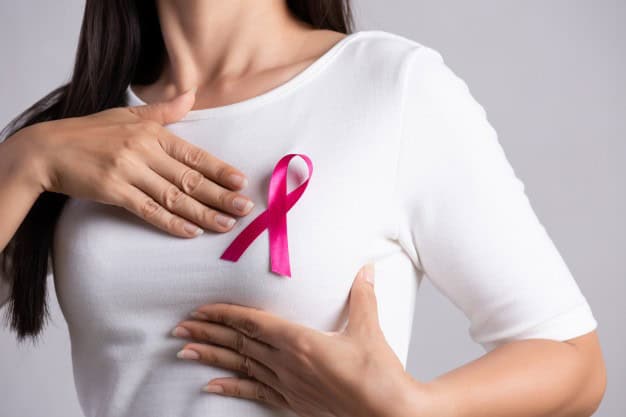
When diagnosed with cancer, it may be often linked to your family medical history, lifestyle choices, or something in the environment. While you don’t have control over your family history or your environment, healthy lifestyle choices such as a good diet, regular exercise, weight control, and quitting smoking are all within your control. Understanding the risks and learning…
Women have taken their sexual health into their own hands and most will use birth control at some point in their life. There are a number of birth control options available to choose from. Identifying the best contraception which will work for your lifestyle and family planning can be extremely rewarding because it lets you…
There are a number of theories on how COVID-19 affects pregnant women and their babies. Health experts don’t yet have a definitive answer for us either as not enough information is available. It was widely reported in the early days of COVID-19 that the coronavirus does not pose any negative effects in pregnancy. This was according to a…
The female reproductive system is extremely delicate, with even a little imbalance in the hormonal structure having a great impact on its functioning and health. It’s very important for women to take great care of the health of their reproductive system and be aware of the minor signs and symptoms of abnormality. Good reproductive health…
When it comes to your sexual and reproductive health, prevention is the best way to defend against future problems because you can’t always predict when or what types of problems may arise. The question then is: how do you know if your symptoms warrant a trip to the doctor? Any potentially serious signs may need…
Urinary incontinence is the accidental or unintentional loss of bladder control. It varies by severity from occasionally leaking urine when you cough or sneeze to severe and frequent wetting. Urinary incontinence can occur at any age, with it occurring more often as people get older and even more common among women over the age of…
You’ve missed your period and you’re surprised why. Afterall, you’re on an oral contraceptive and you can’t be pregnant. There might be a simple reason for this, antibiotics! Now, we must say that most antibiotics do not have an effect on contraceptives, however, there are a few that interact with hormonal contraception and make it…
Pubic lice are small parasites that attach to the skin near the genital area. The tiny insects live on coarse human hair in the pubic region and at times on beards but do not appear in the hair on your head. They are also known as crabs as they have two large front arms resembling…
A yeast infection (also known as vaginal candidiasis) is a fungal infection, affecting three out of four women during their life. The good news is that a yeast infection isn’t classified as an STI and can be treated. In this article, we’ll discuss the causes, symptoms, treatment and risk factors associated with the infection. Causes…
The majority of contraceptives on the market are considered to be safe for women breastfeeding a child; but there are a few types that can lower your milk supply. In this article, we’ll discuss contraception that is safe to use and which you should avoid. Safe to use Progestin-only contraceptives Progestin-only contraceptives come in several…
We use cookies to ensure that we give you the best experience on our website. If you continue to use this site we will assume that you are happy with it.