
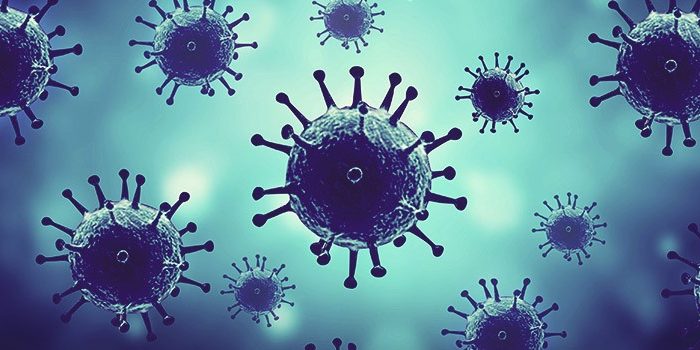
Genital herpes is a sexually transmitted infection (STI) that causes small, painful blisters that break open and turn into ulcers. There is no cure for herpes, and it’s highly contagious, which means it’s incredibly easy to catch it from a partner during unprotected sex.
Although herpes can’t be cured, there are different kinds of treatments that can help keep it under control. You would need to use these for the rest of your life, whenever an outbreak occurs, to manage your symptoms. Outbreaks can occur at any given time for any number of reasons, including stress, illness or after a trauma.
How is herpes spread?
There are two kinds of viruses that cause herpes, the more common of which is the herpes simplex virus (HSV) type II. Once you’ve been infected by this virus, there’s no way to get rid of it: you’ll have it for life.
Herpes is usually spread through direct contact with the genitals, anus/rectal area and/or mouth of an infected person. Although it’s easier to catch the virus when an infected person is in an active flare-up and/or displaying symptoms (like blisters), it’s still possible to contract the virus even when no symptoms are present.
Mothers can pass the virus onto their babies during childbirth.
What are the symptoms of herpes?
Sometimes, a person may have genital herpes without even realising it. They may have caught it from a partner who wasn’t displaying symptoms, and they themselves may not present with symptoms until later.
However, right after the initial infection, you are likely to experience moderate to severe flu-like symptoms, as well as sores around your genitals. Other symptoms include:
- Tingling, numbness, burning and/or itching of the genital area
- Painful blisters that occur in and around the penis or vagina, around the anal area, on the buttocks and/or the thighs, and occasionally on the breasts or face.
- Pain in the pelvic area
- Painful and/or frequent urination
- Swollen glands in the groin area
- Pain during sex
- Flu-like symptoms including fever, headache and muscle aches
Why is herpes so dangerous?
In severe cases, genital herpes can lead to serious complications affecting the nervous system. Other severe side effects include inability to urinate, impotence, loss of feeling and/or power in the legs, and meningitis.
The primary infection is likely to cause intense pain and discomfort, and is also likely to last the longest of all occurences. Babies who contract herpes during birth may break out into blisters within days of their birth.
Who’s at greatest risk of contracting herpes?
- Anyone who has unprotected sex
- Anyone who has more than one sexual partner
- Women tend to contract the infection more often than men
- Babies born to mothers with genital herpes, especially if the mother is in the primary infection phase
- Anyone with a compromised immune system, such as those who are HIV positive
When should I visit my doctor, gynae or clinic?
If you notice any of the symptoms listed above, or if you think a partner may have brought you into contact with the virus, get to your healthcare provider as soon as possible. If you think you may have been infected, avoid any sexual activity until you’ve seen your doctor.
Marie Stopes offers confidential STI screening and counselling at all our centres across South Africa. Find your nearest Marie Stopes centre and make an appointment online.